Is Your Baby Ready for Solids? 6 Developmental Readiness Signs

Beyond the calendar: Six developmental milestones that say your baby is ready for the spoon.

The Milestone Transition to Solid Foods

Introducing solid foods is a highly anticipated milestone, signaling that your baby is growing up and joining the family table. Around six months of age, breast milk or formula alone is no longer sufficient to fully meet your infant’s nutritional requirements, especially as their iron stores begin to deplete. However, starting solids is not just about a calendar date; it is about physical and neurological readiness.

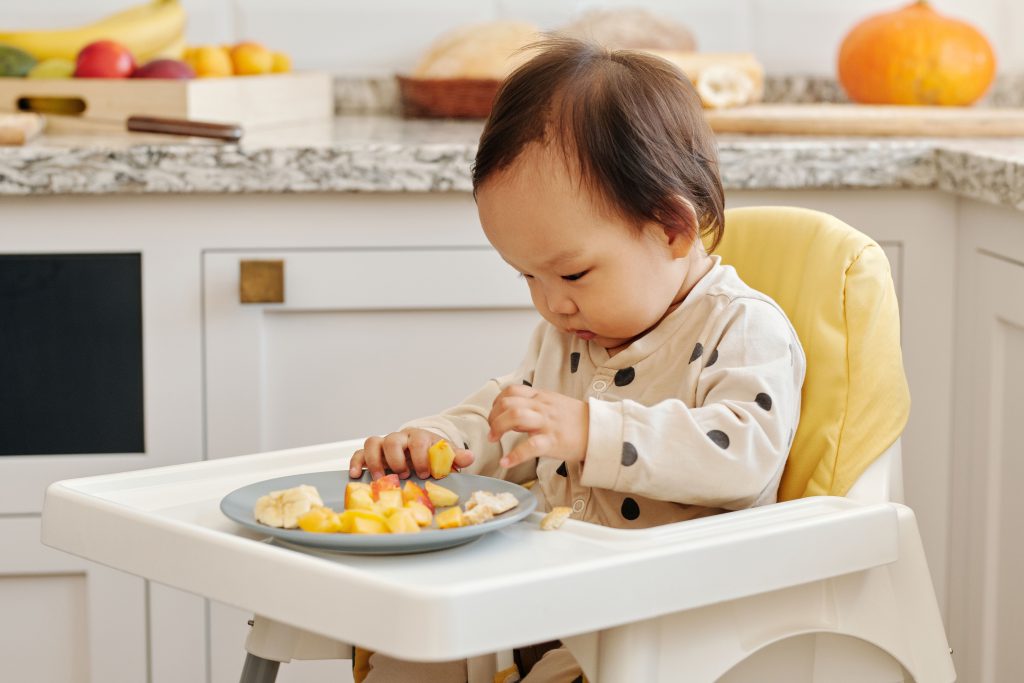
Baby in high chair

The Six Signs of Developmental Readiness

To ensure your baby can swallow safely and minimize any choking risks, pediatric guidelines recommend waiting until your infant actively demonstrates these six distinct developmental readiness milestones:

01

The Pincer Grasp

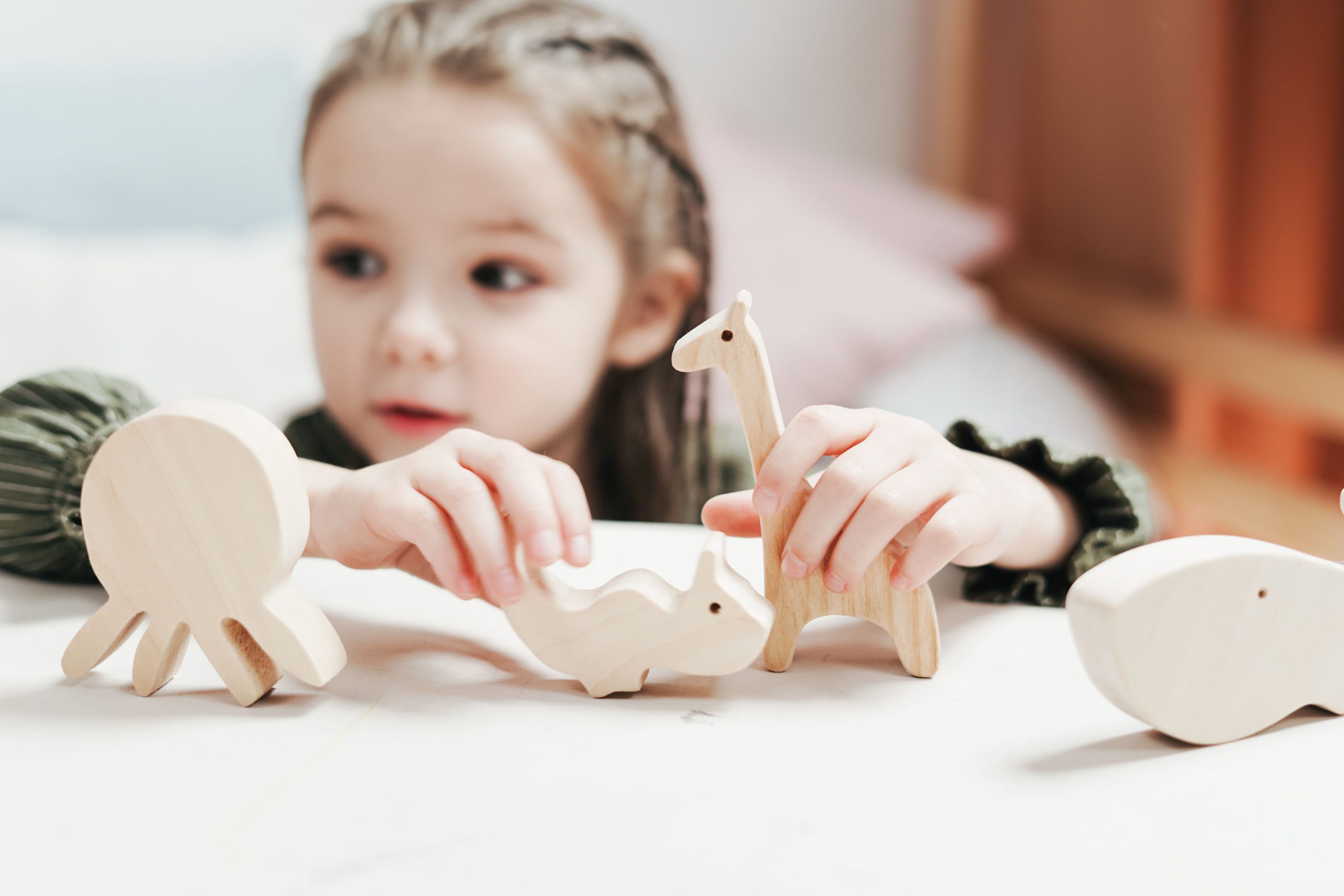
The ability to pick up tiny objects, such as a single pea or small pieces of food, using only their thumb and pointer finger.

02

The Palmer Grasp

The developmental skill where the baby can securely clutch larger objects in their palm with the support of their fingers.

03

Excellent Head Control

The infant must be able to hold their head upright steadily and completely unassisted. This is vital for preventing choking and is directly strengthened by early tummy time practices.

04

Sitting Up Unassisted

The baby must be able to sit upright in a high chair with little to no external support.

05

Disappearance of the Tongue Thrust Reflex

When babies are not yet mature enough for solids, they will automatically push a spoon or food out of their mouth with their tongue. Once they are ready, this subconscious reflex fades, allowing them to accept and swallow spoon-fed foods.

06

Active Interest in Food

The baby displays intense curiosity during family mealtimes, reaching out for your plate, drooling, or getting visibly upset when they are not offered a taste.

Iron-rich first foods

Starting the Culinary Adventure Safely

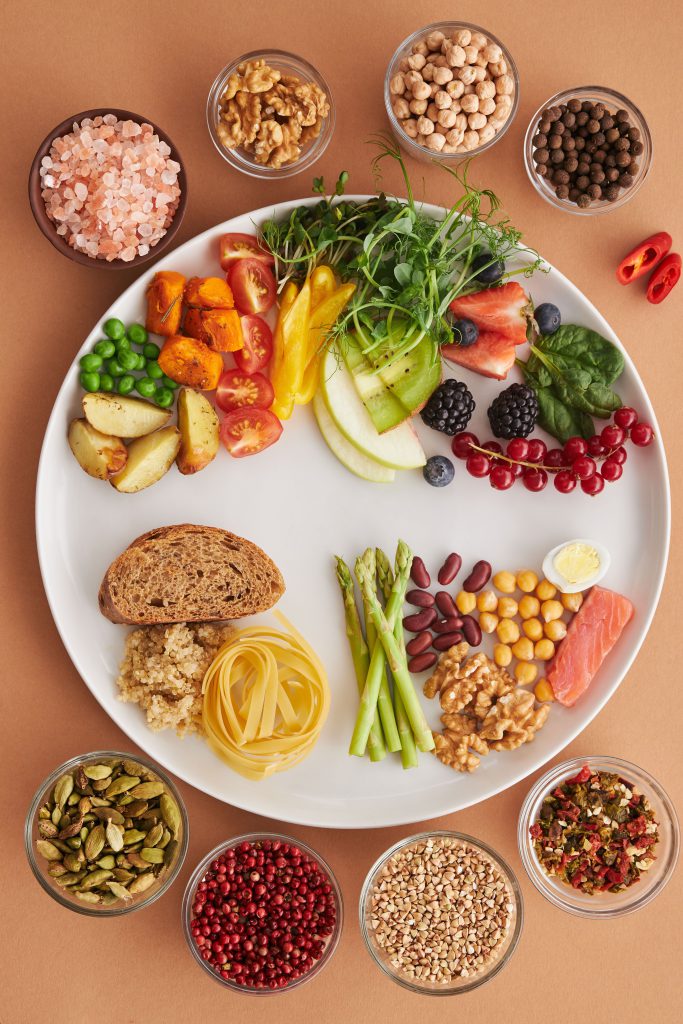
When your baby is ready, start slowly by introducing one new food at a time, waiting 3 to 5 days before introducing another. This cautious pace ensures that if your child has an adverse reaction, you can easily isolate the culprit. Focus on iron-rich options like red meat, chicken, spinach, or fortified cereals. Crucially, make sure to completely avoid foods high in sodium or added sugars until after their second birthday to protect their developing kidneys and foster healthy dietary preferences. Keep the experience social and joyful—sitting at the table together is key to nurturing a healthy relationship with food!

4 Comments

ใส่ความเห็น

อีเมลของคุณจะไม่แสดงให้คนอื่นเห็น ช่องข้อมูลจำเป็นถูกทำเครื่องหมาย *