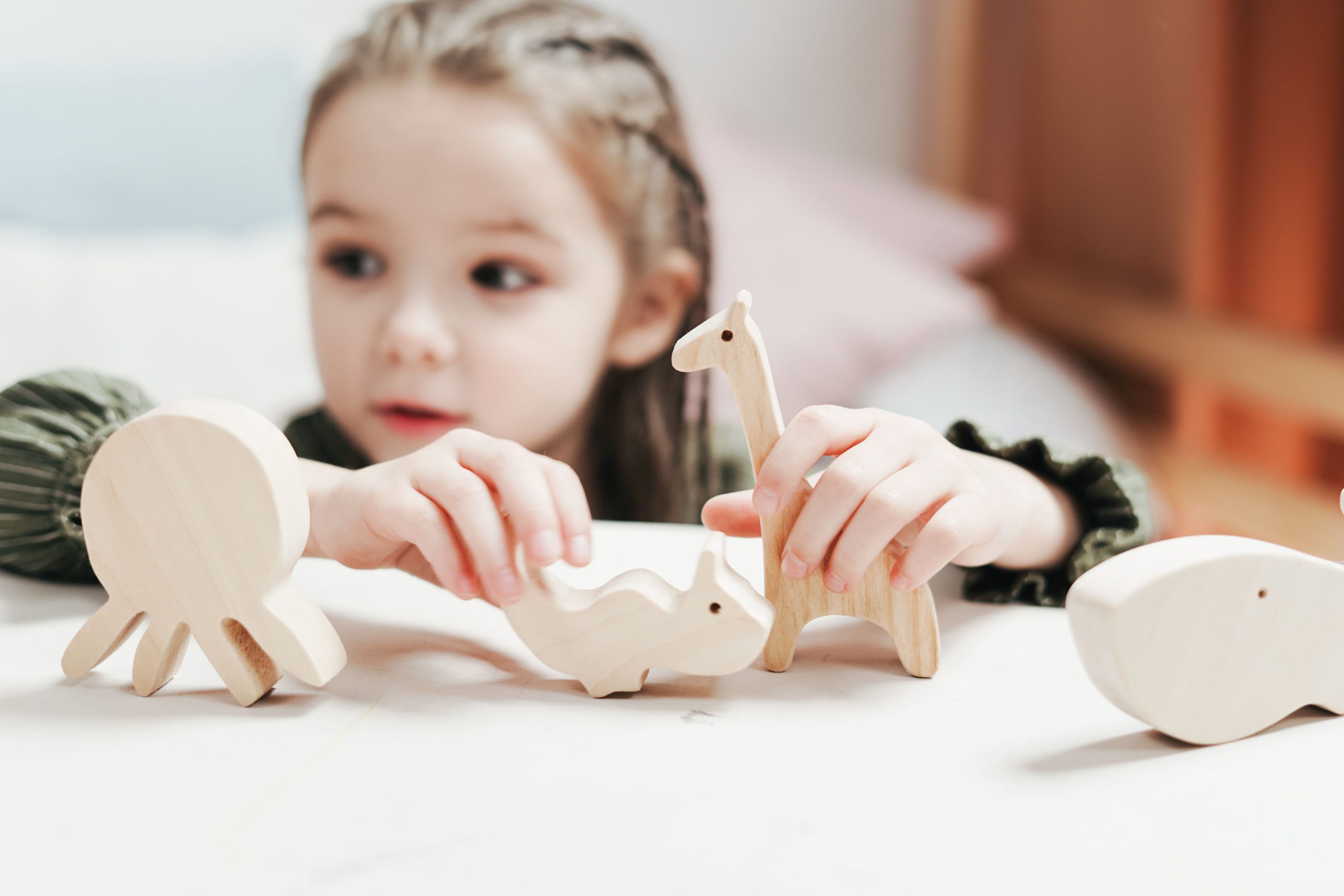
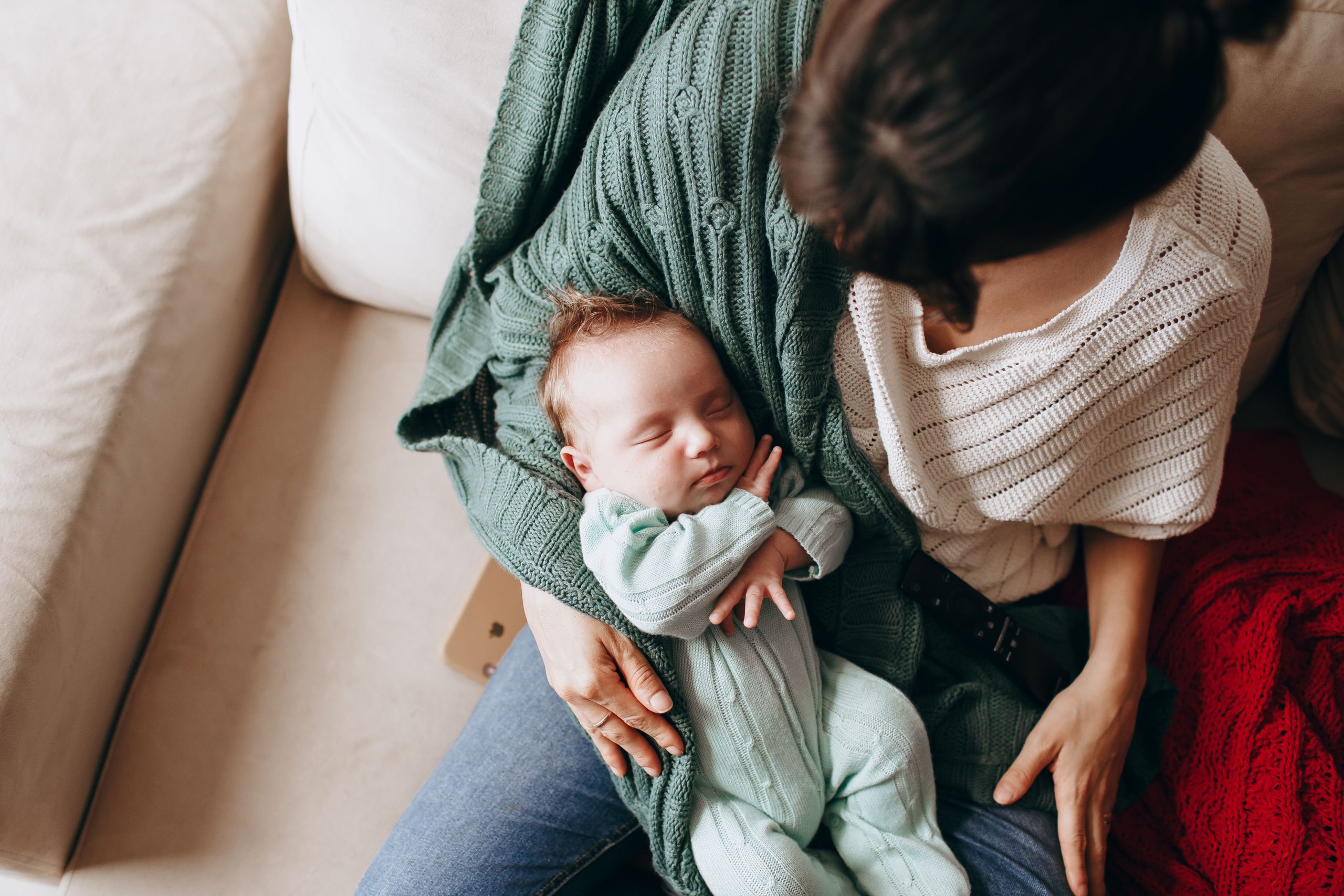
The Science-Backed “15-Minute Rule” to Soothe a Crying Baby
Sleepless nights are one of the hardest parts of new parenthood. Brain scientists have replaced the guesswork with a simple, research-backed 15-minute routine.
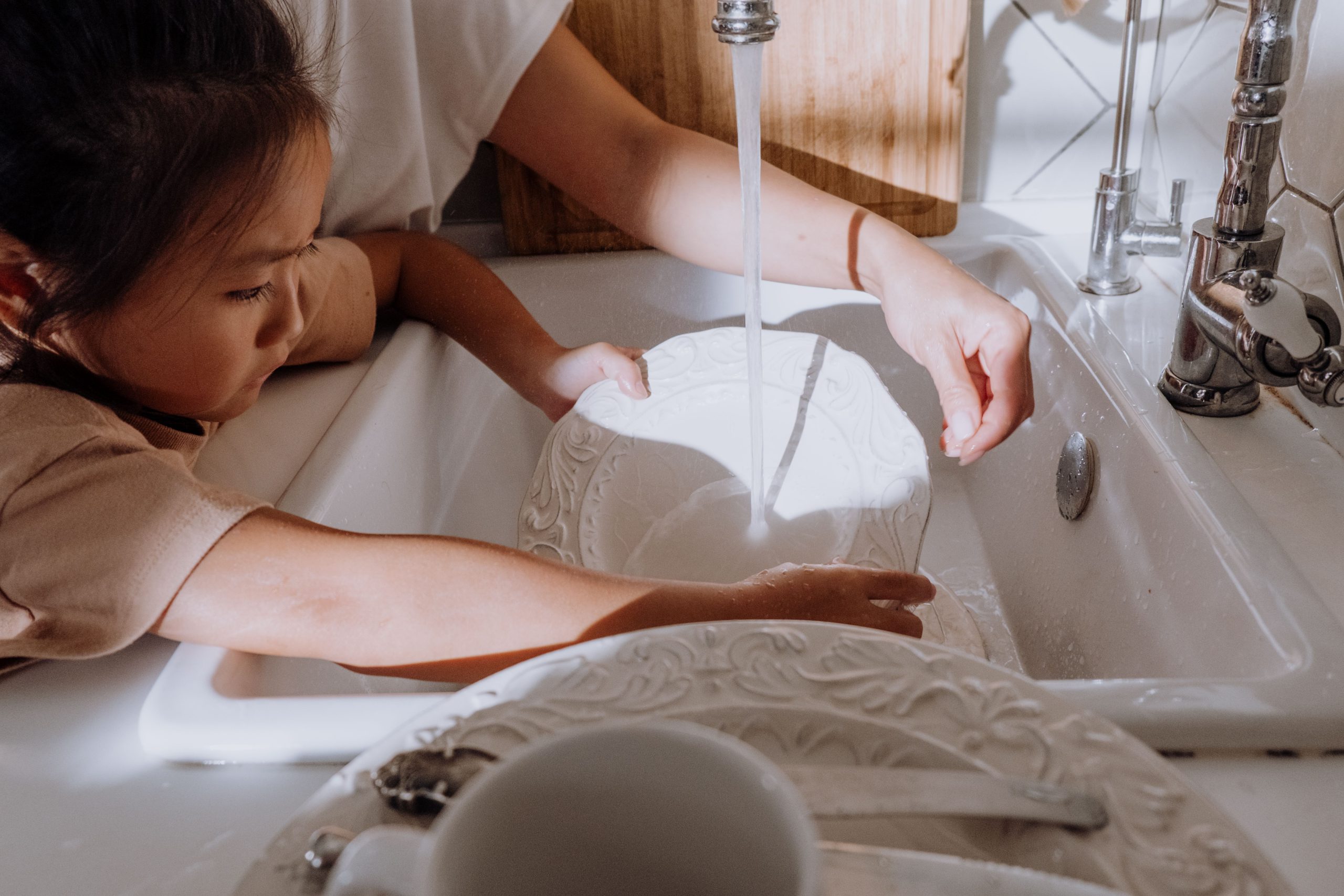
Dad-Baby Bonding: Why Everyday Chores Are Your Secret Weapon
Many first-time fathers worry they cannot bond as deeply with a newborn. Neurodevelopmental research proves otherwise, and everyday chores are where it starts.
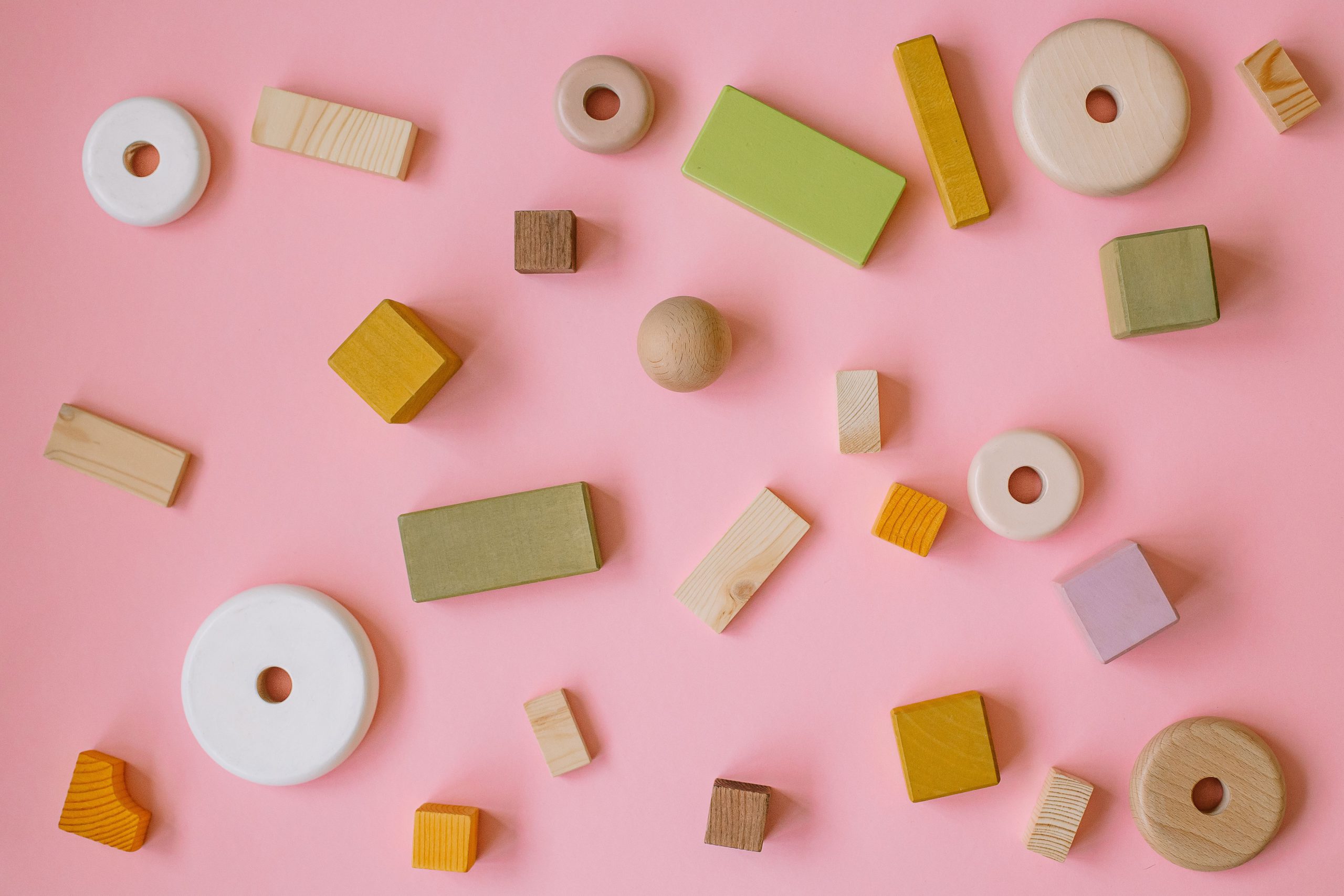
Plastic vs. Wood: The Sensory Secret of Wooden Toys
Modern playrooms are full of blinking, singing plastic. When a toy does all the work, your baby's brain switches off — and simple wood quietly wins.
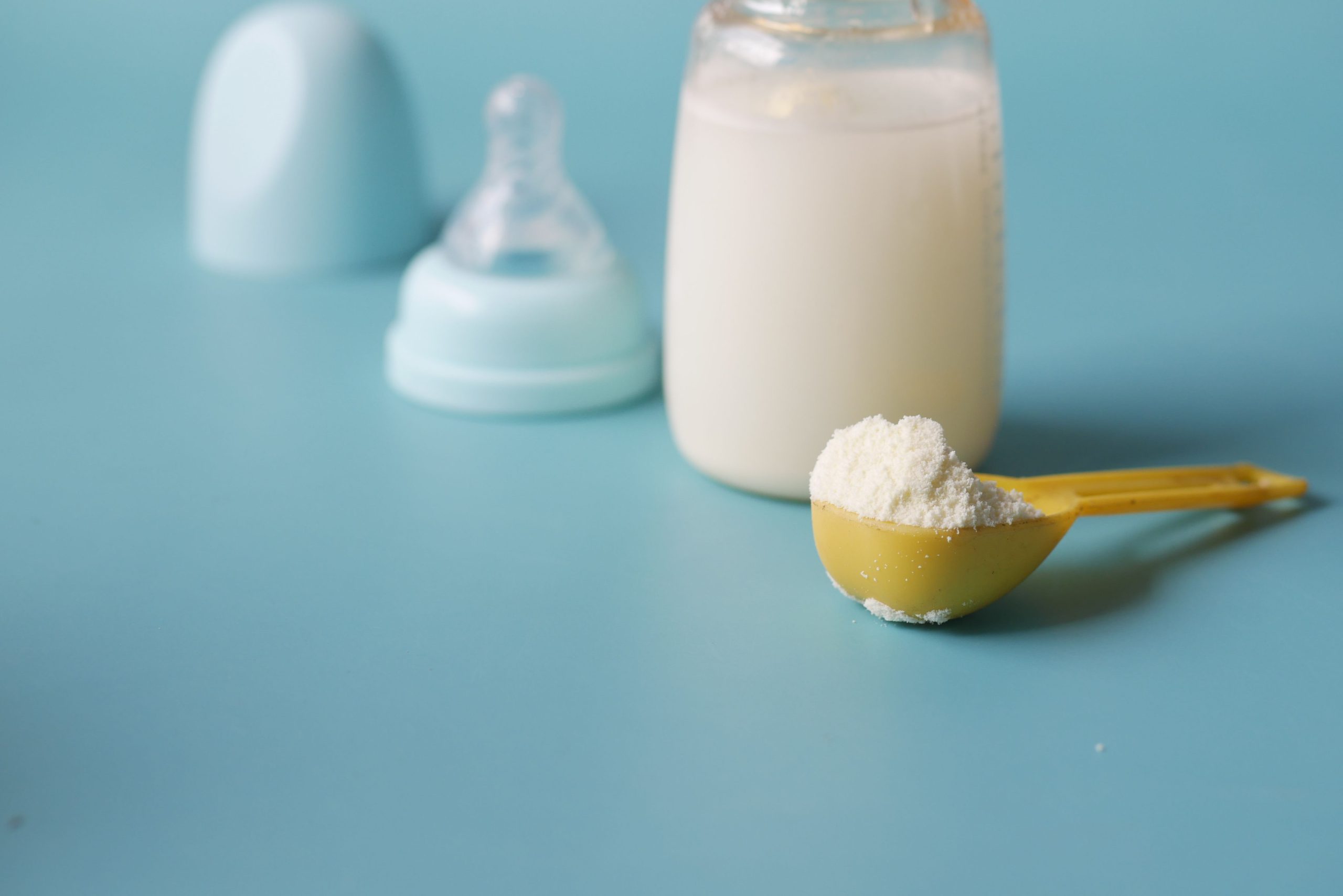
Is Your Baby Ready for Solids? 6 Developmental Readiness Signs
Around six months, milk alone stops meeting your baby's needs. But readiness for solids is about physical and neurological signs, not a date on the calendar.
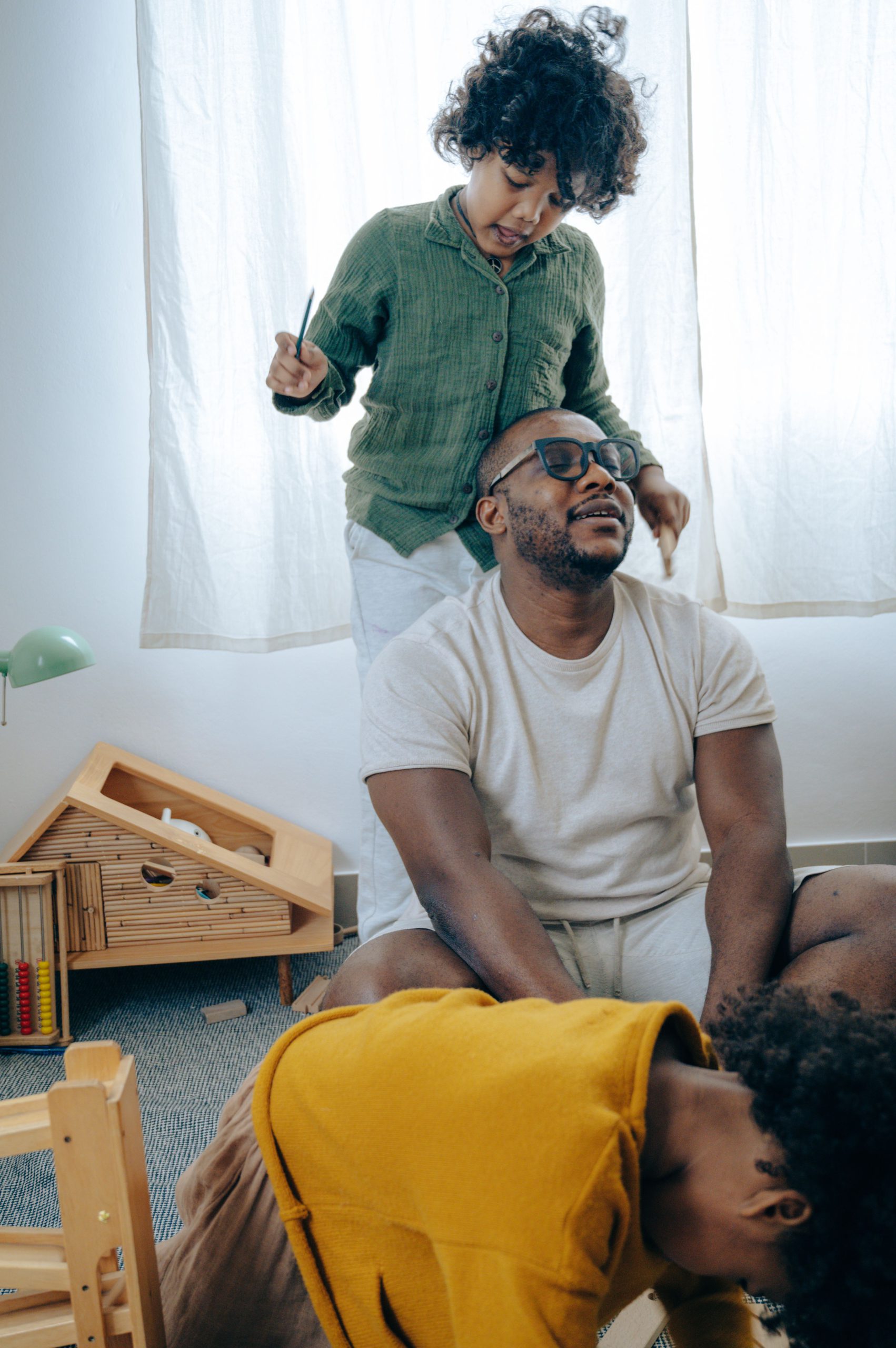
Parental Burnout: How to Recharge When Your Cup is Empty
Feeling exhausted now and then is normal. When the stress builds for months with no relief, it crosses the line into parental burnout, and it needs real care.
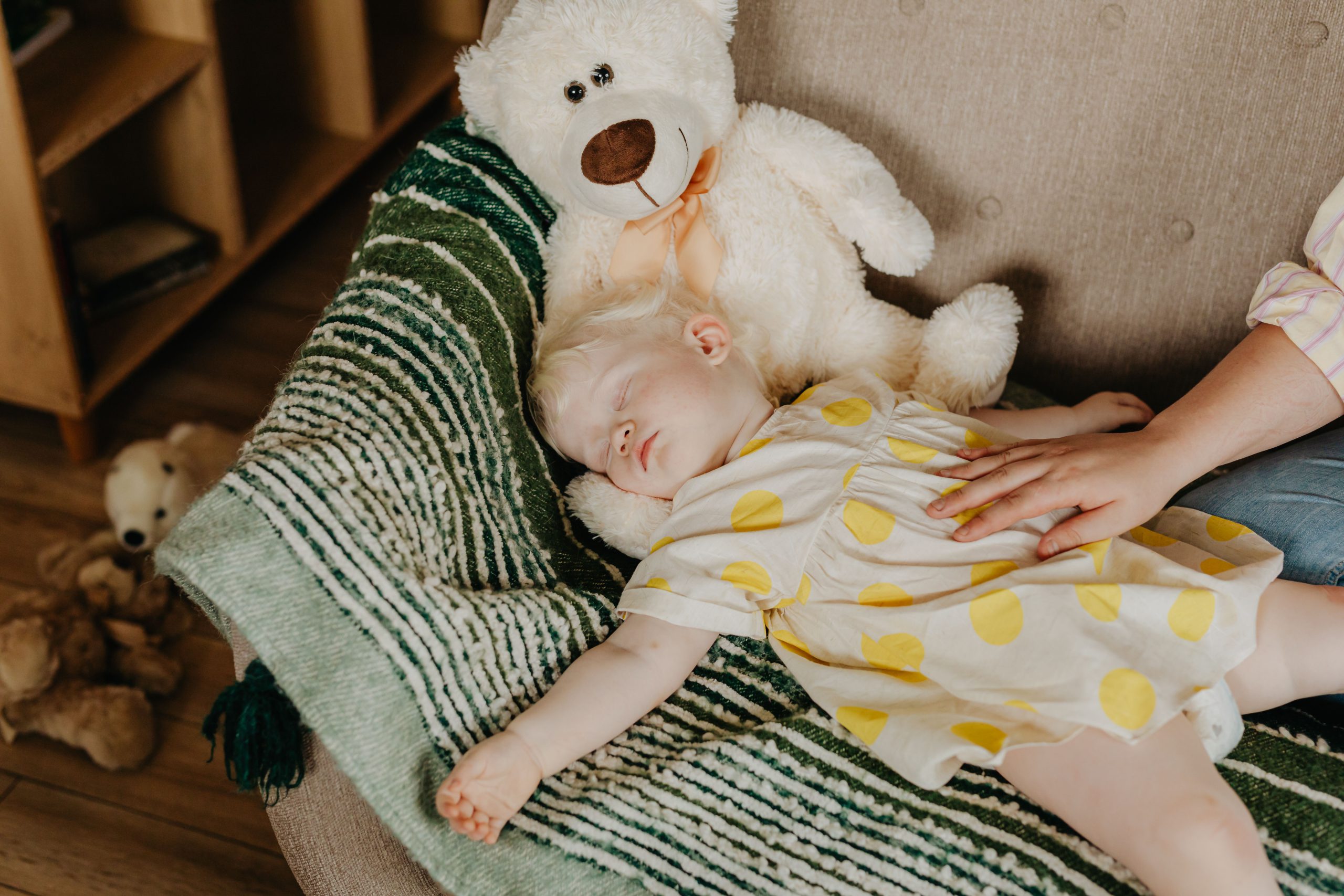
The Truth About Baby Sleep: Safe Environments and Simple Routines
Sleep fuels your baby's developing brain, yet independent sleep is a skill you have to teach. It starts with a safe crib and a predictable bedtime routine.
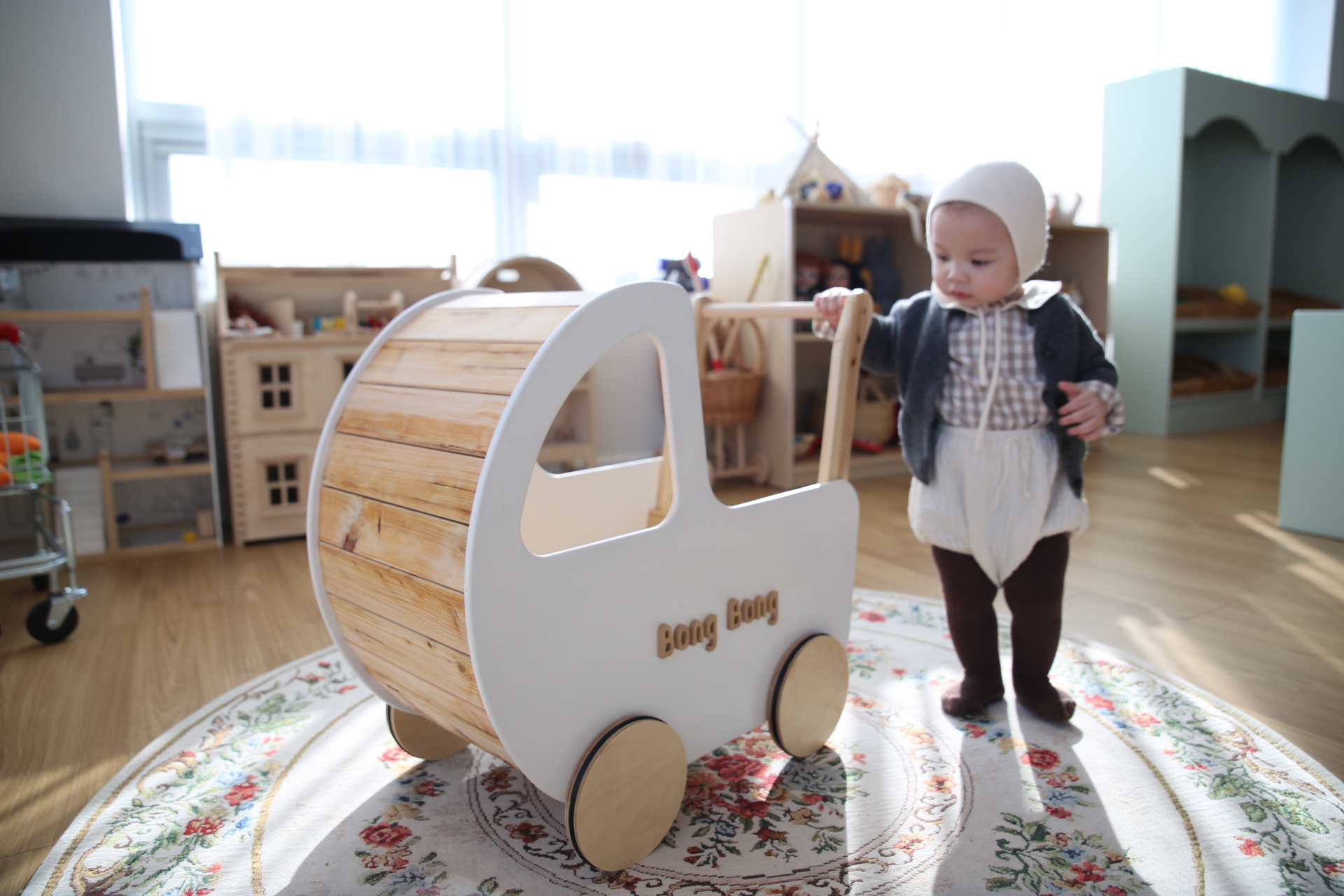
The First Steps Companion: Why Wood is the King of Walkers
Around the first birthday every toddler wants to push something. Light plastic carts tip backward, while a sturdy wooden push toy gives them a real anchor.

Registry Regrets: 10 Newborn Items You Can Safely Skip
Registry checklists make it feel like you need thousands of dollars of gear. Seasoned parents say nearly half of what they bought was never used at all.
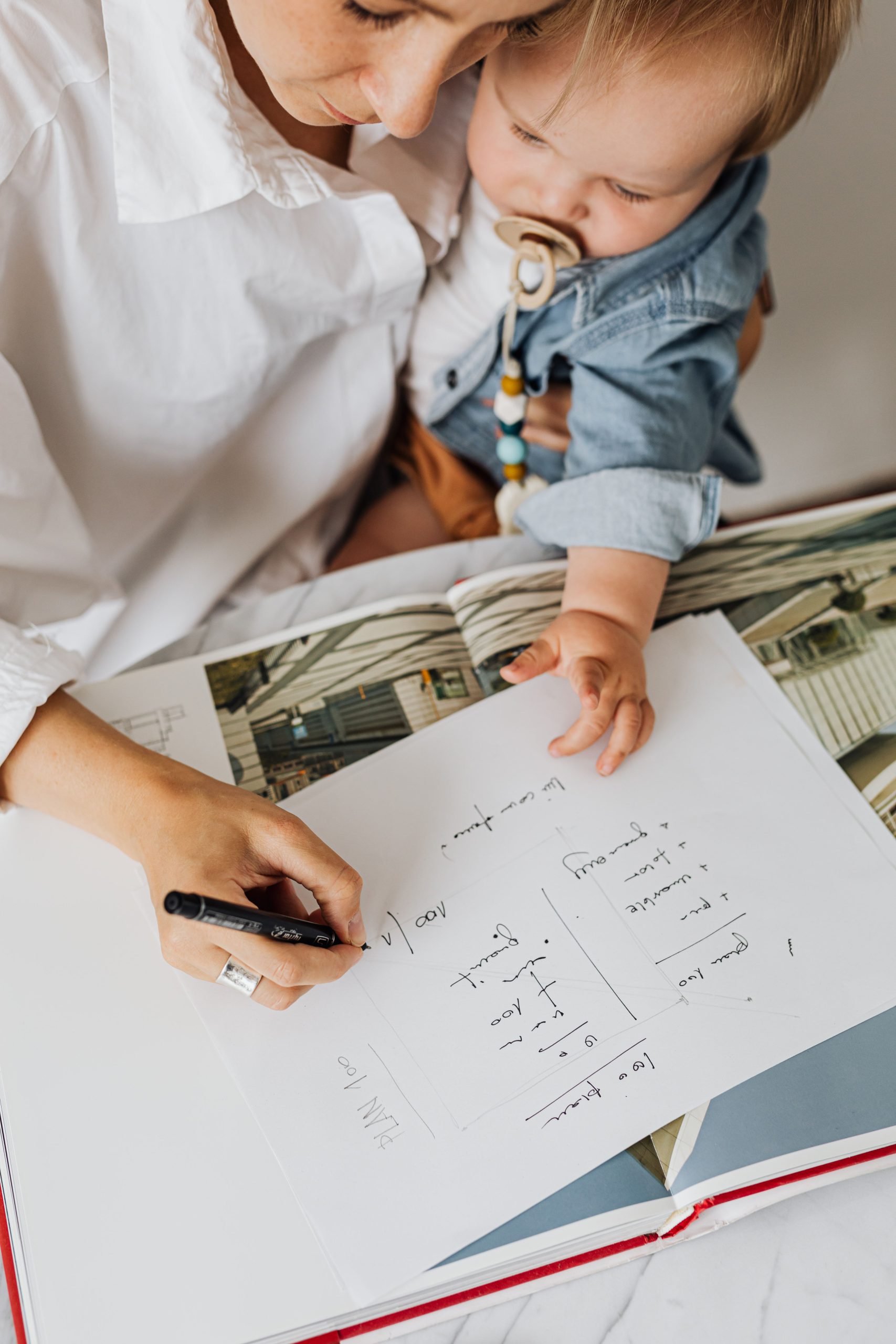
Early Introduction of Allergens: Why the Old Advice Has Faded
For decades parents were told to delay allergenic foods. Years of clinical trials have flipped that advice, and early introduction is now the safer path.
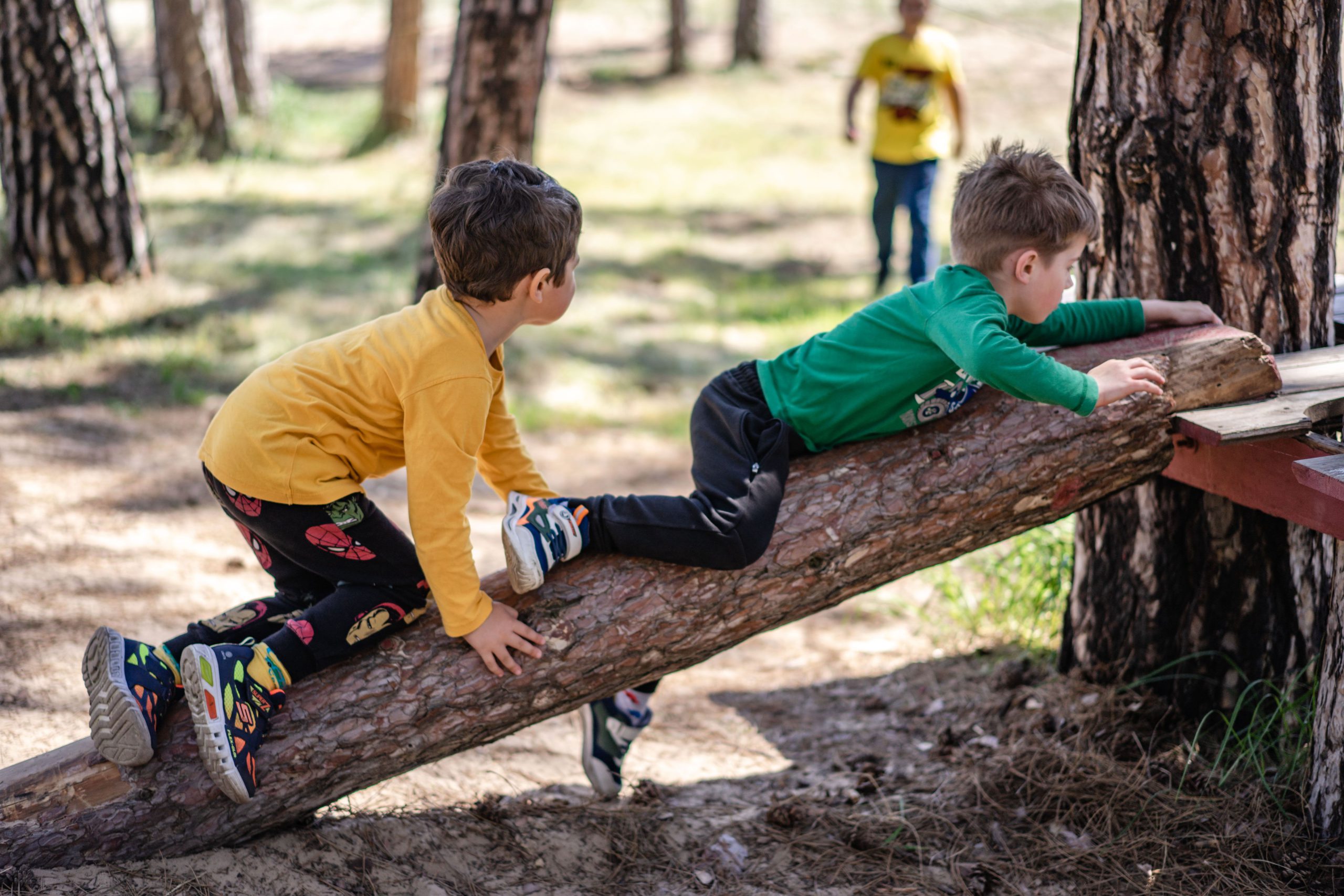
The Power of “Rough and Tumble” Play for Toddlers
Dads tend to play physically, and that rough-and-tumble style is not making toddlers wild. Science says it builds self-regulation, trust, and coordination.