Plastic vs. Wood: The Sensory Secret of Wooden Toys

Less plastic, more play: Why simple wood is the ultimate sensory superpower for your baby’s brain.

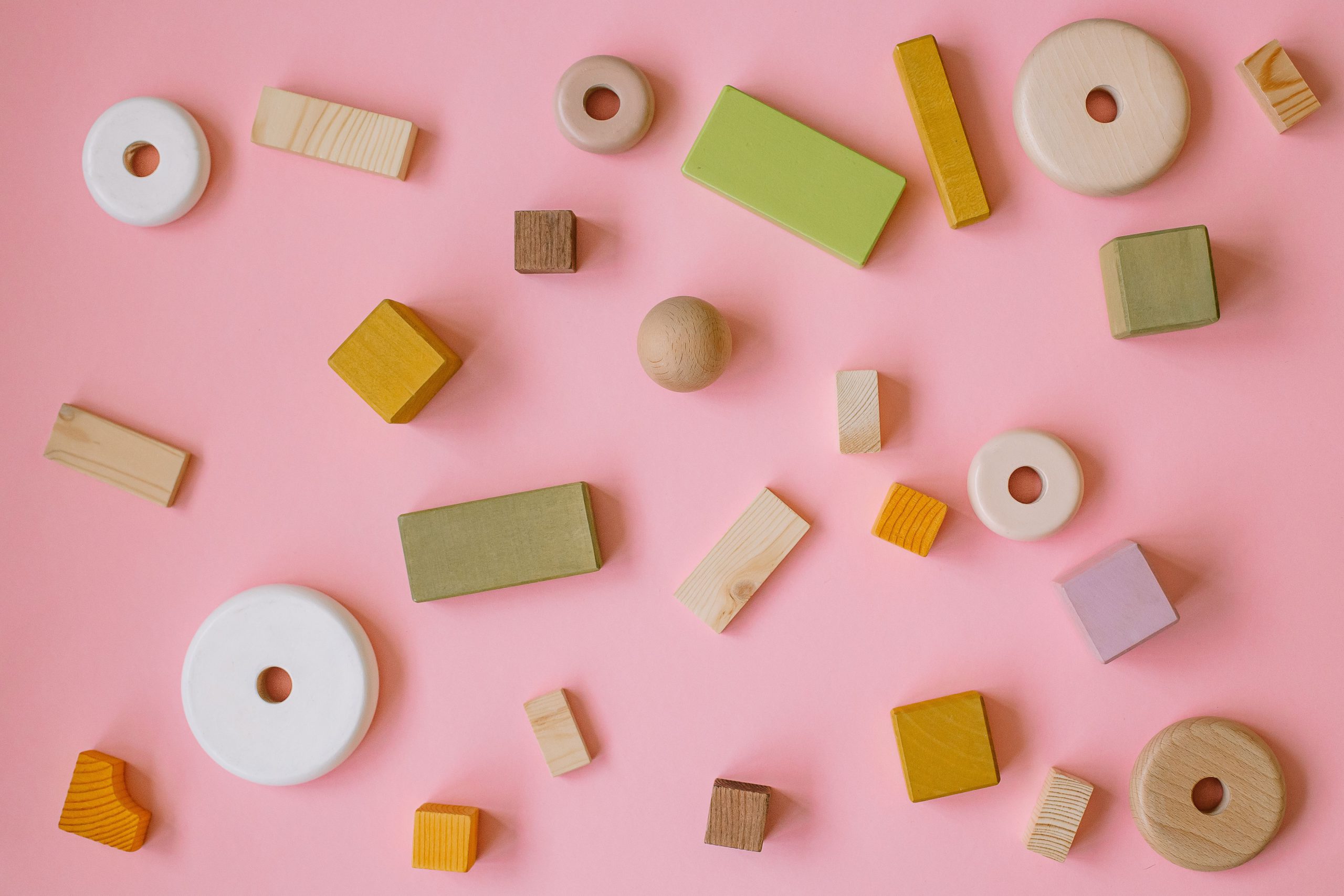
Wooden blocks flatlay

The Overstimulation Trap

Walk into any modern playroom, and you’ll likely be greeted by a sea of bright, flashing plastic toys. They sing, they spin, they blink, and they… occasionally make parents want to pull their hair out! While these high-tech toys seem fun, they often lead to overstimulation. When a toy does all the “work” (singing, lighting up), your baby’s brain actually goes into passive mode.

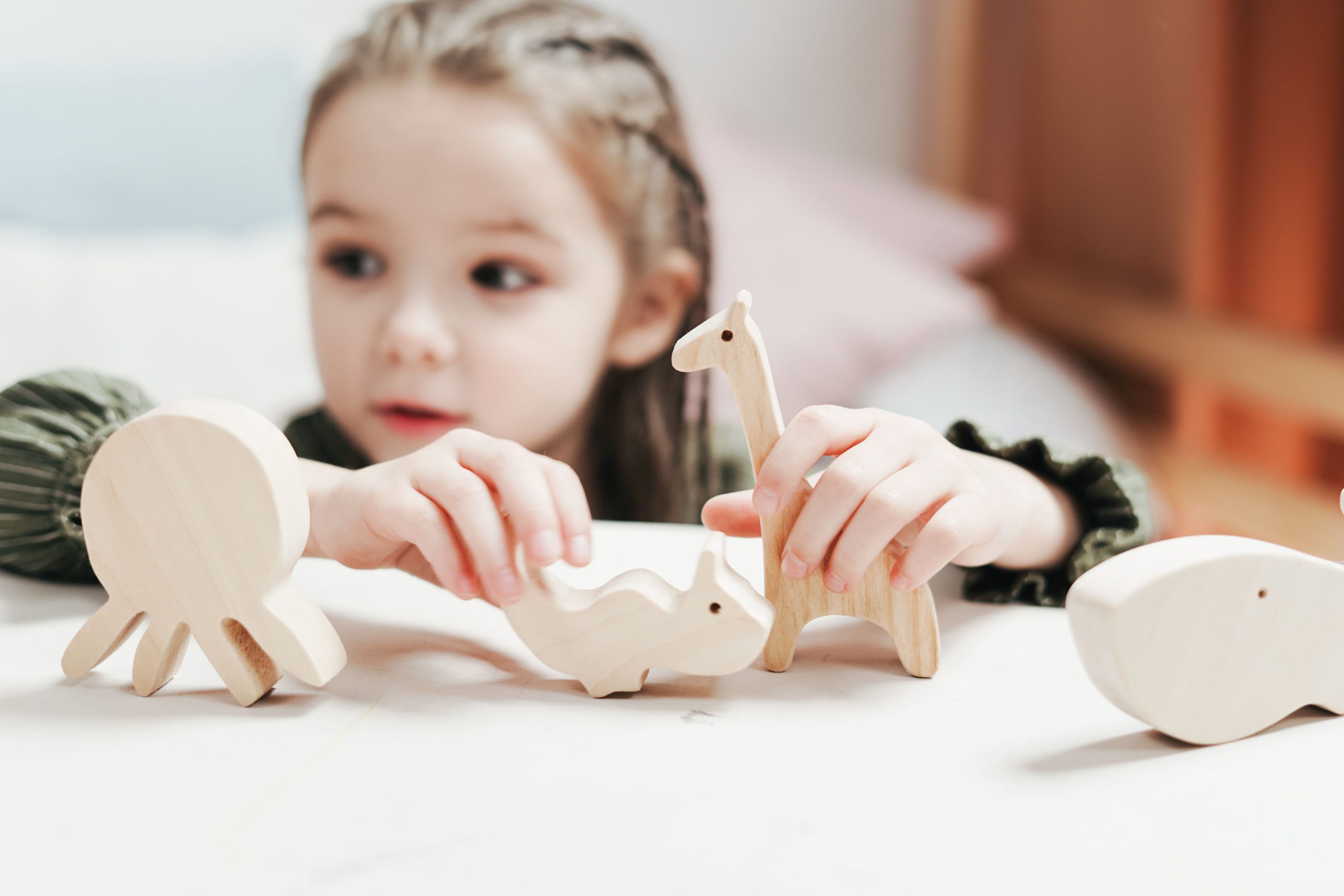
Hands on a maple block

Touch is the First Language

Before babies can speak, they explore the world entirely through their hands and mouths. This is where wood wins hands-down. Wooden toys offer a rich, natural variety of textures. From the slightly textured grain of a maple block to the smooth finish of a wooden teething ring, these tactile experiences send high-quality signals to your baby’s developing brain.

Handling different textures builds:

Fine Motor Skills

Practicing the pincer grasp and palmer grasp naturally.

Hand-Eye Coordination

Learning the physical weight and weight distribution of real-world objects.

Sensory Integration

Helping the brain organize tactile, visual, and even olfactory information in a calm, balanced way.

The Beauty of "Open-Ended" Play

A plastic toy phone is always just a phone. But a set of wooden blocks? Today they are a tower, tomorrow they are a bridge, and next week they are ingredients for a pretend soup! Wooden toys are beautifully simple, leaving room for your child’s imagination to fill in the blanks. When toys are simple, play becomes deeper, calmer, and infinitely more creative.

3 Comments

ใส่ความเห็น

อีเมลของคุณจะไม่แสดงให้คนอื่นเห็น ช่องข้อมูลจำเป็นถูกทำเครื่องหมาย *