The Truth About Baby Sleep: Safe Environments and Simple Routines

Safe sleep, sound sleep: Navigating the bare crib and the 3-step bedtime routine.

The Vital Role of Sleep in Infant Development

Sleep is the ultimate fuel for your baby’s rapidly developing brain, play repair, learning, and emotional regulation. Yet, navigating infant sleep can be one of the most frustrating and sleep-deprived periods of early parenthood. Teaching a baby to fall asleep independently is a gradual skill that you have to actively teach, similar to learning to talk or ride a bike.

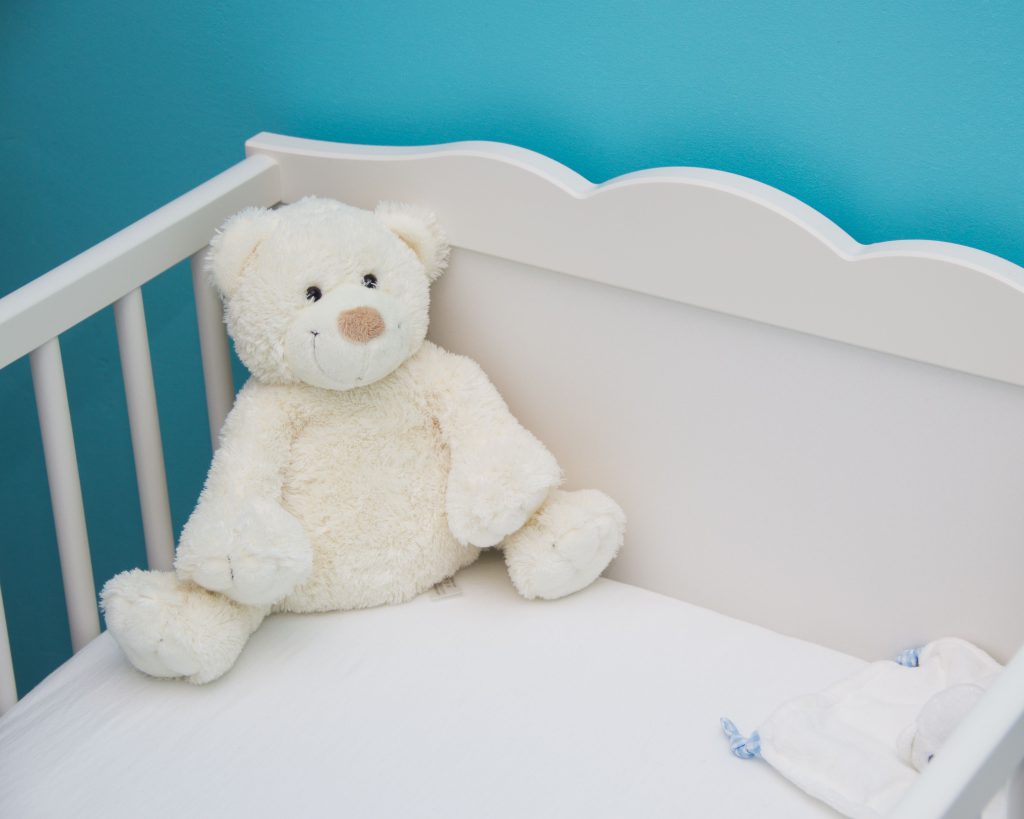
Bare crib, fitted sheet only

Safety First: The Golden Rules of a Bare Crib

To set your baby up for success, you must first construct a safe sleep environment. Sudden Infant Death Syndrome (SIDS) remains a major concern, and guidelines from leading pediatric organizations are incredibly strict to keep risks as low as possible.

The Core Sleep Rule

Always place your baby to sleep on their back on a firm, flat mattress covered only by a snugly fitted cotton sheet.

Keep the Crib Bare

Absolutely no pillows, loose blankets, quilts, soft toys, or stuffed animals are allowed in the sleep space for infants under 12 months.

Say No to Bumpers

Crib bumpers are major suffocation and entrapment hazards. In fact, they have been legally banned from manufacture and sale in the United States since 2022 under the Safe Sleep for Babies Act.

Avoid Co-Sleeping

To further prevent SIDS, pediatricians strongly advise against bed-sharing for at least the first 6 months, and ideally up to the baby's second birthday.

The 3-Step Bedtime Loop for Independent Sleep

Once a safe environment is established, you can begin sleep training around 4 months of age, which is the optimal window to encourage independent sleep before sleep associations become harder to shift around 18 months. No matter which sleep training method you choose—whether a quick or slow approach—consistency is the secret. Establish a predictable 3-step bedtime routine to repeat at all sleep times:

01

Transition

Signal to your child's brain that it is time to wind down. Reading a quiet board book together or changing into pajamas is an excellent transition cue.

02

Soothe

Engage in simple, calming, and repetitive behaviors. Try humming a soft song, giving them a warm bath, or singing a familiar lullaby.

03

Practice

Lay your child down in their crib while they are drowsy but still awake. This crucial step allows them to practice the skill of drifting off to sleep independently in their own environment.

4 Comments

ใส่ความเห็น

อีเมลของคุณจะไม่แสดงให้คนอื่นเห็น ช่องข้อมูลจำเป็นถูกทำเครื่องหมาย *